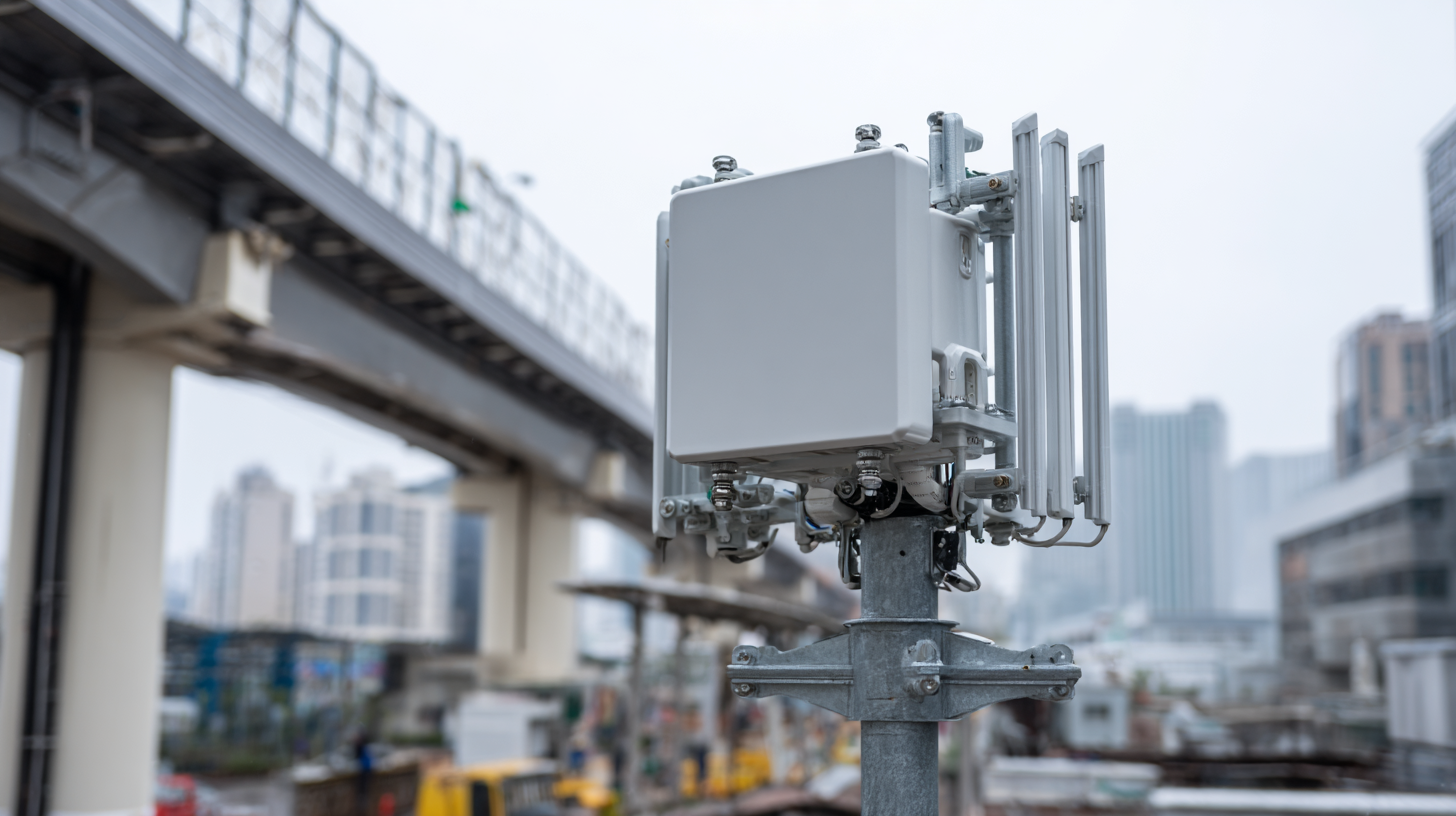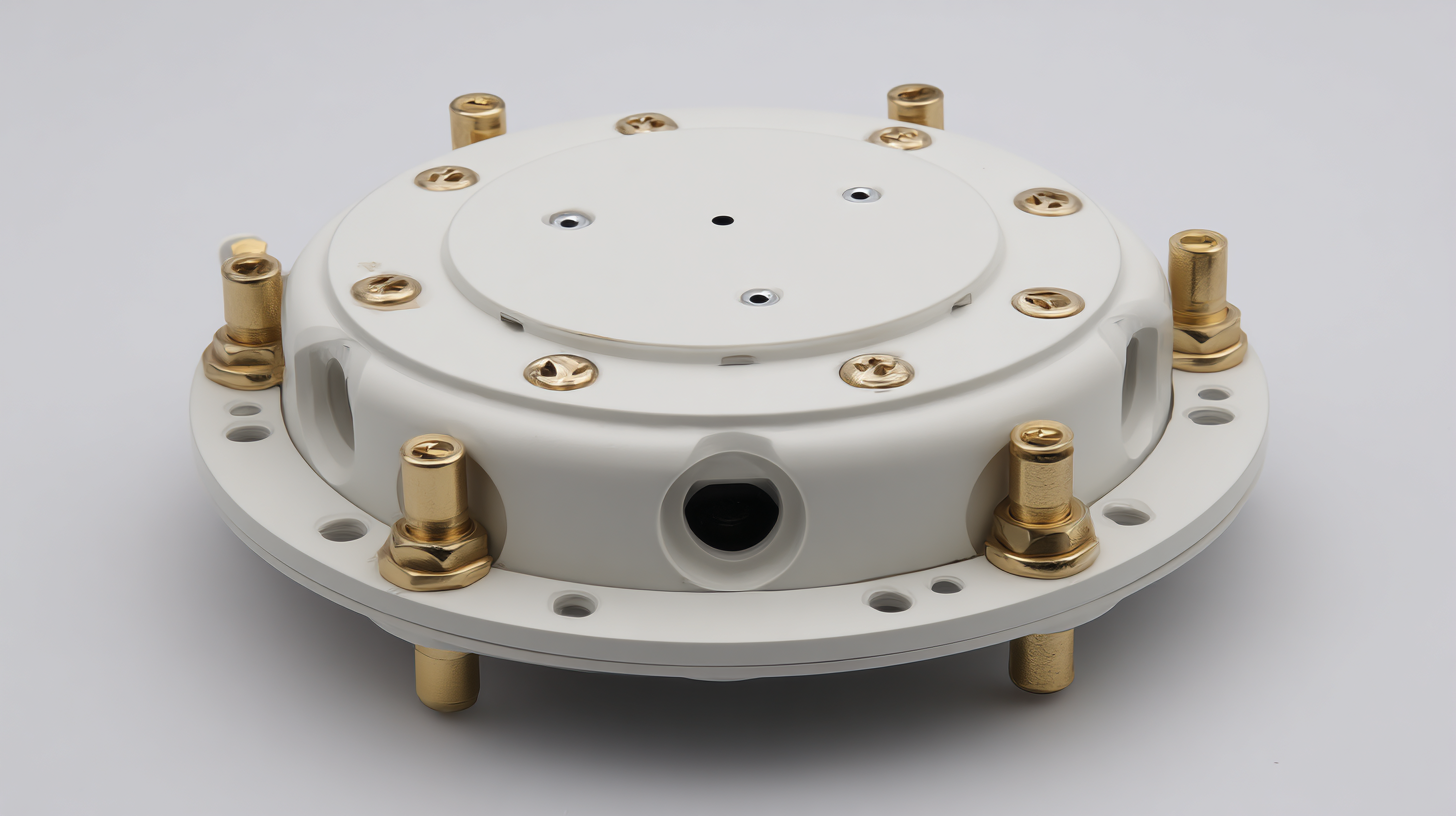
You know, the need for precision in geospatial surveying has really taken off lately. I mean, reports are saying that the global GNSS market is expected to hit a whopping USD 256.93 billion by 2025, with a solid growth rate of about 13.5% each year! Pretty impressive, right? In this changing scene, having reliable technology is crucial—especially for those international buyers on the lookout for the best surveying solutions out there. One key player in this tech game is the Multi Band RTK Gnss Antenna. This nifty tool really boosts accuracy and makes positioning services a lot more dependable. When we think of top-notch providers, Shanghai Apekstool (or APEKS for short) comes to mind. Based in Shanghai, China, they’re known for their innovative geospatial surveying and mapping products. They really specialize in GNSS/GPS systems and are all about delivering high-quality antennas and tailored solutions that meet the tough standards of global markets. This way, surveyors can trust their tech to get the job done confidently.
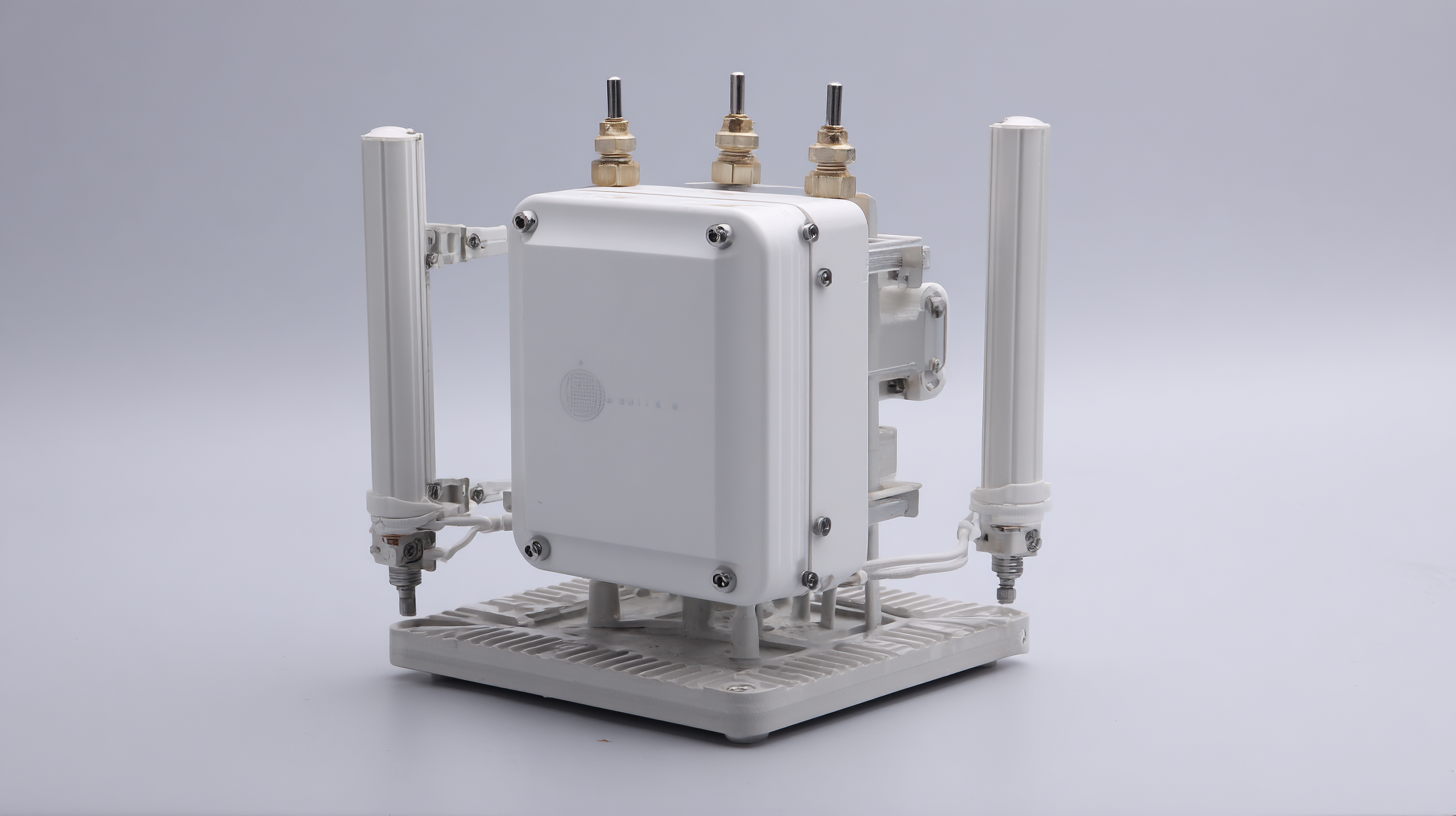
You know, the whole scene with multi-band RTK GNSS antenna manufacturing in China is getting pretty intense these days. It’s super competitive out there, and it’s not exactly easy for manufacturers who really want to keep up with quality and innovation. I came across this report from the China Satellite Navigation Office that says the global market for GNSS tech is expected to grow at a crazy rate of about 9.8% annually between 2023 and 2028. That just goes to show how important it is for Chinese manufacturers to keep stepping up their game and improving their products to meet all this increasing international demand.
One of the big hurdles they're facing is just how quickly technology is evolving. With more and more folks wanting high-precision positioning solutions, these manufacturers really gotta put their money where their mouth is and invest in R&D. They need to weave in the latest tech into their antennas, like better signal processing and those fancy multi-frequency capabilities. I found another report from MarketsandMarkets that predicts the multi-band GNSS antenna market could hit around USD 2.5 billion by 2025. That’s a clear signal that Chinese manufacturers have to keep innovating in both design and functionality if they want to keep their heads above water in the global arena.
And let’s not forget about the regulatory side of things! Compliance and quality assurance are huge challenges. If these manufacturers want to break into international markets, they’re gonna have to nail those strict quality standards set by various countries. Otherwise, they could end up facing expensive recalls and really tarnishing their brand’s reputation. The International Telecommunication Union (ITU) pointed out that over half of manufacturers run into some serious roadblocks because of compliance issues. So, it’s clear that improving quality management systems is absolutely crucial to not only meet those standards but also to build consumer trust in products coming out of China.
You know, quality control has always been a big deal when it comes to making GNSS antennas in China. I mean, even though they’re top dogs in manufacturing, a lot of buyers have noticed some ups and downs in antenna quality. That can really mess with performance and reliability, right? Well, lately, Chinese manufacturers have been stepping up their game, really honing in on quality assurance to align with international standards. They're revamping their manufacturing processes and sticking to global regulations, which is super important for gaining that trust from buyers.
As the market keeps changing, it’s really crucial for buyers to take the initiative when making their choices. A solid piece of advice is to ask for detailed specs and performance metrics from manufacturers. That way, you know those antennas are up to snuff. Plus, diving into research and checking out reviews on various brands and their quality control practices can really help make smarter buying decisions.
Don’t forget, staying in the loop about the latest advancements and news in the GNSS field is priceless. Just the other day, there was a lot of chatter about GPS jamming, which really highlights how much we need reliable technology. It pays off for buyers to ask about how well antennas can handle interference and what the manufacturer’s history is like with these kinds of challenges. If you prioritize quality control and keep yourself updated, you’ll be well-equipped to navigate the sometimes tricky waters of the Chinese GNSS antenna market.
| Model | Frequency Range (GHz) | Gain (dBi) | Phase Center Variance (mm) | IP Rating | Weight (kg) |
|---|---|---|---|---|---|
| Model A | 0.1 - 2.0 | 30 | 1.5 | IP67 | 0.5 |
| Model B | 1.2 - 2.5 | 28 | 1.2 | IP65 | 0.6 |
| Model C | 0.5 - 1.5 | 32 | 1.0 | IP68 | 0.4 |
| Model D | 0.8 - 2.2 | 35 | 1.3 | IP66 | 0.7 |
Wow, the world of GNSS (Global Navigation Satellite System) antenna design is really moving fast! We’ve seen some amazing technological leaps that have seriously boosted their reliability and overall performance. Manufacturers are busy incorporating the latest materials and innovative engineering tricks, and it’s making a noticeable difference in multi-band RTK GNSS antennas. But, you know, with all this rapid change, there are also a few bumps in the road. It’s super important for consumers to keep their eyes peeled on the latest trends and fresh innovations if they want to pick the most dependable products out there.
Here's a little tip: when you're on the hunt for the best multi-band RTK GNSS antenna, take some time to look into the manufacturer's history and dig through customer reviews. It's a good idea to find antennas that can really hold their own in all sorts of environments, so you know you're getting something that’s reliable. And hey, don't forget to look for great signal tracking abilities—especially if you’re in a busy urban area or dealing with tricky terrains.
Also, one more thing to think about is how well the antenna meshes with your current setup. As tech keeps evolving, some of those older models might not play nice with the newer systems. Making sure everything is compatible can save you a lot of hassle—and money—down the road. So, keep an eye out for antennas that are designed with future upgrades in mind, so you can keep step with all the cool new advancements in GNSS technology.
You know, in the realm of Global Navigation Satellite Systems (GNSS), making sure everything works smoothly is super important for both pros and hobbyists. When folks around the globe are hunting for the best Multi Band Rtk Gnss Antennas, it's really key to tackle the common problems that pop up with antenna performance. We often see issues like signal interference, limited coverage, and inaccuracies in positioning data. These hurdles can be pretty frustrating, especially in fields like agriculture, surveying, and construction, leaving users pulling their hair out sometimes.
One big issue people have is that antennas can get messed up by multipath effects, where signals bounce off nearby buildings and cause delays or inaccuracies in positioning. This tends to be a real headache in crowded cities with skyscrapers everywhere. To deal with this, top-notch antennas use fancy filtering techniques and smart designs to really boost signal clarity and reliability. Plus, stuff like antenna gain and size plays a huge role in performance—so picking the right one can really make a difference if you want accurate measurements.
Another thing on customers' minds is whether the antenna can work with different GNSS systems. With so many satellite constellations out there, like GPS, GLONASS, and Galileo, having a multi-band antenna that can play nicely with all these technologies is super important. Thankfully, a lot of reputable Chinese manufacturers are stepping up to the plate, making antennas that can handle tough conditions while still delivering high precision and accuracy.
If you're looking to source multi-band RTK GNSS antennas from China, one thing's for sure: keeping a close eye on quality is super important for buyers all around the globe. There are definitely some strategies you can use to make your quality assurance process smoother. First off, building strong relationships with your manufacturers is key. Regular chats and check-ins can really help. It's all about trust, right? Plus, it makes it way easier to talk about what you expect in terms of quality.
**A little tip:** Sit down with your suppliers and lay out clear quality standards and documentation requirements. This way, you both know what’s expected, and it’ll cut down on those annoying misunderstandings.
You should also take the time to do thorough inspections of the products before they ship out. This could mean doing on-site audits yourself or hiring someone else to do quality checks for you. By making sure everything meets your standards while it’s still being made, you can dodge a lot of headaches that come from faulty goods.
**Another tip:** Think about having a multi-tiered inspection process in place. That means checking things out before production starts, midway through, and again at the end. Catching problems early can save you a ton of trouble.
At the end of the day, putting quality first with these strategies not only makes your products more reliable but also helps you build a strong reputation in the competitive world of RTK GNSS antennas.
Hey there! So, have you heard about the massive growth expected in the Satellite Navigation System (GNSS) market? It’s projected to jump from a cool USD 61.1 billion in 2023 to about USD 75.5 billion by 2028. Pretty exciting stuff, right? But here’s the kicker: Chinese GNSS antenna suppliers are running into some tricky hurdles when it comes to export regulations. These rules can get super complicated and can change from one country to another, which means it’s crucial for manufacturers to keep a close eye on what they need to do to comply. Really, knowing the legal landscape is key if they want to stay competitive out there on the global stage.
Now, if you’re in the export game, my tip would be to team up with local experts who know the ins and outs of export compliance. It can be a game-changer! And if you can, try to build partnerships with logistics companies experienced in dealing with GNSS products; they can really help smooth out the whole process. Plus, keep yourself in the loop about any shifts in regulations. For instance, the recent removal of Controlled Reception Pattern Antennas (CRPA) from the ITAR list is opening new doors for U.S. manufacturers—definitely something to keep an eye on!
And if you’re on the hunt for top-notch multi-band RTK GNSS antennas, don’t forget: it’s really important to make sure your suppliers are on top of export regulations, too. This can help you dodge any potential risks. Oh, and always ask for those certifications and documents that show they’re up to snuff with international standards. Not only does this build trust but it also makes transactions go a lot smoother. Hope this helps!
: The main quality control issues include variations in the quality of antennas produced, which can negatively impact their performance and reliability. Manufacturers are increasingly focused on quality assurance to meet international standards.
Buyers should request detailed specifications and performance metrics from manufacturers and conduct thorough research on different brands and their quality control practices.
Staying informed enables buyers to understand the latest technology and reliability issues, such as GPS jamming, which are crucial for evaluating the quality and resilience of antennas against interference.
Chinese GNSS antenna suppliers face complex and varying export regulations by country, making it essential to stay informed about compliance requirements to maintain competitiveness in the global market.
Suppliers are advised to engage local experts specialized in export compliance and consider partnerships with logistics companies experienced in handling GNSS products to streamline the export process.
A significant change is the removal of Controlled Reception Pattern Antennas (CRPA) from the ITAR list, which creates new opportunities for U.S. manufacturers in the GNSS market.
Buyers should ask for certifications and documentation that demonstrate compliance with international standards to mitigate potential risks and enhance trust in the supplier.
The GNSS market is expected to grow significantly from USD 61.1 billion in 2023 to USD 75.5 billion by 2028.
Quality assurance plays a crucial role in boosting buyer confidence and ensuring that antennas meet necessary international performance standards, which is vital for competitiveness in the global market.