You know, geospatial technology is really taking off these days and shaking things up across various industries. One standout in this arena is the Polaris Rtk Gps, which is seriously a game-changer. It offers mind-blowing accuracy and is all about making surveying way more efficient—something that's super important in sectors like construction, farming, and even environmental monitoring. A recent report from MarketsandMarkets shows that the global GPS market could hit a whopping USD 100 billion by 2025, which just goes to show how crucial reliable systems like the Polaris are for bringing precision and innovation into play. And speaking of reliability, Shanghai Apekstool (APEKS) is a go-to source for top-notch geospatial surveying solutions. They really focus on GNSS/GPS systems and are all about giving professionals the best tools out there, like the Polaris RTK GPS, to help them nail their surveying projects.
Understanding the Basics of Polaris RTK GPS Systems
 Polaris RTK GPS systems are shaking things up when it comes to precision navigation and positioning across all sorts of industries, from farming to building stuff. At the heart of these systems is Real-Time Kinematic (RTK) technology, which nails down accuracy to within just a few centimeters. That’s super important for tasks where every little measurement counts. Now, if you’re wondering how RTK works, it’s pretty straightforward: it uses a base station that sends out correction signals to rover units. This setup helps to cut down on errors caused by things like weather and where the satellites are in the sky.
But here’s the kicker: Polaris RTK GPS systems aren’t just about being precise. They can really flex their muscles in a ton of different applications. Whether you’re mapping out fields, steering self-driving cars, or making surveying a breeze, they’ve got you covered. Users can look forward to not only better accuracy but also a nice boost in project efficiency. Each system is packed with user-friendly features, so even if you’re not a tech whiz, you can still tap into the power of RTK technology. In the end, that means making smarter choices and managing resources way better.
Key Features of Polaris RTK GPS: What Sets It Apart
You know, the Polaris RTK GPS really does stand out in the crowd of precision navigation tools. It’s packed with features that really focus on accuracy and reliability. I mean, we're talking about positioning accuracy of up to 1 centimeter! That kind of precision is a game changer for things like agriculture, construction, and surveying. In fact, a recent industry report even suggested that embracing this level of precision can boost operational efficiency by as much as 25%. Who wouldn’t want to cut down costs and project timelines like that?
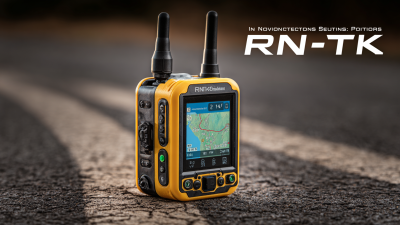
One of the coolest things about the Polaris RTK GPS is its real-time kinematic (RTK) capabilities. Basically, it taps into a network of fixed ground stations to instantly correct satellite signals, which seriously cuts down on the typical errors you’d see with standard GPS tech. Plus, it's got a super user-friendly interface and is built to last, so you can use it in a bunch of different environments. It’s honestly perfect for pros who are always on the move.
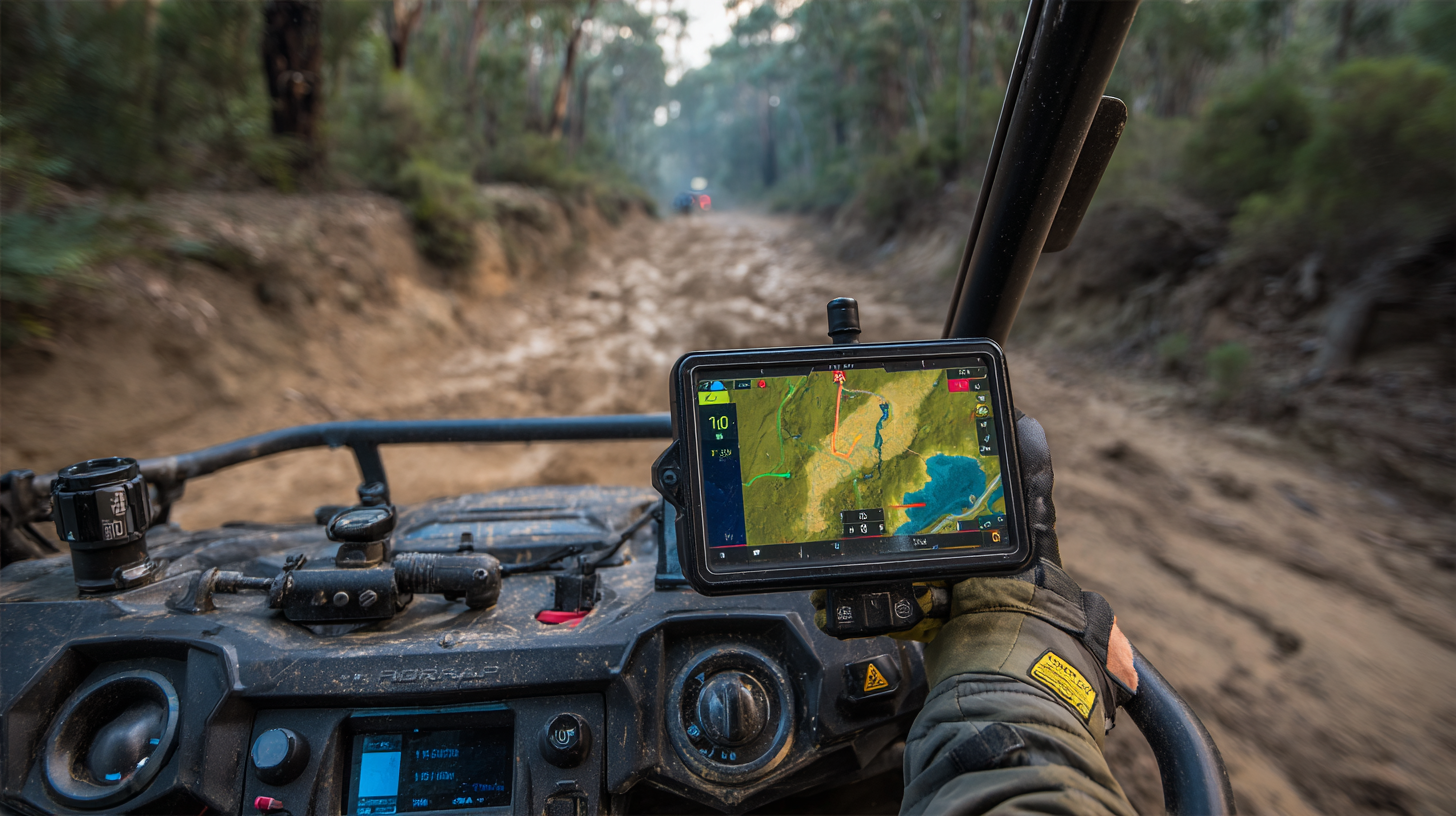
Just a little tip for you: when you're picking out a GPS system, think about where you’ll actually be using it. If it's going to be in rough terrains, definitely look for RTK GPS units that offer extra durability. And don’t forget to check that you can access a reliable base station network to really take advantage of that RTK technology.
Another cool perk of the Polaris RTK GPS is that it plays nicely with a lot of data collection software, which means it can fit right into your existing GIS and surveying workflows without a hitch. This kind of flexibility lets you tweak your setup to suit your specific operational needs—very handy for all sorts of applications!
Oh, and here’s a quick reminder: keep your software and firmware updated! That's key to unlocking the latest features and performance boosts, so your RTK GPS unit is always running at its best.
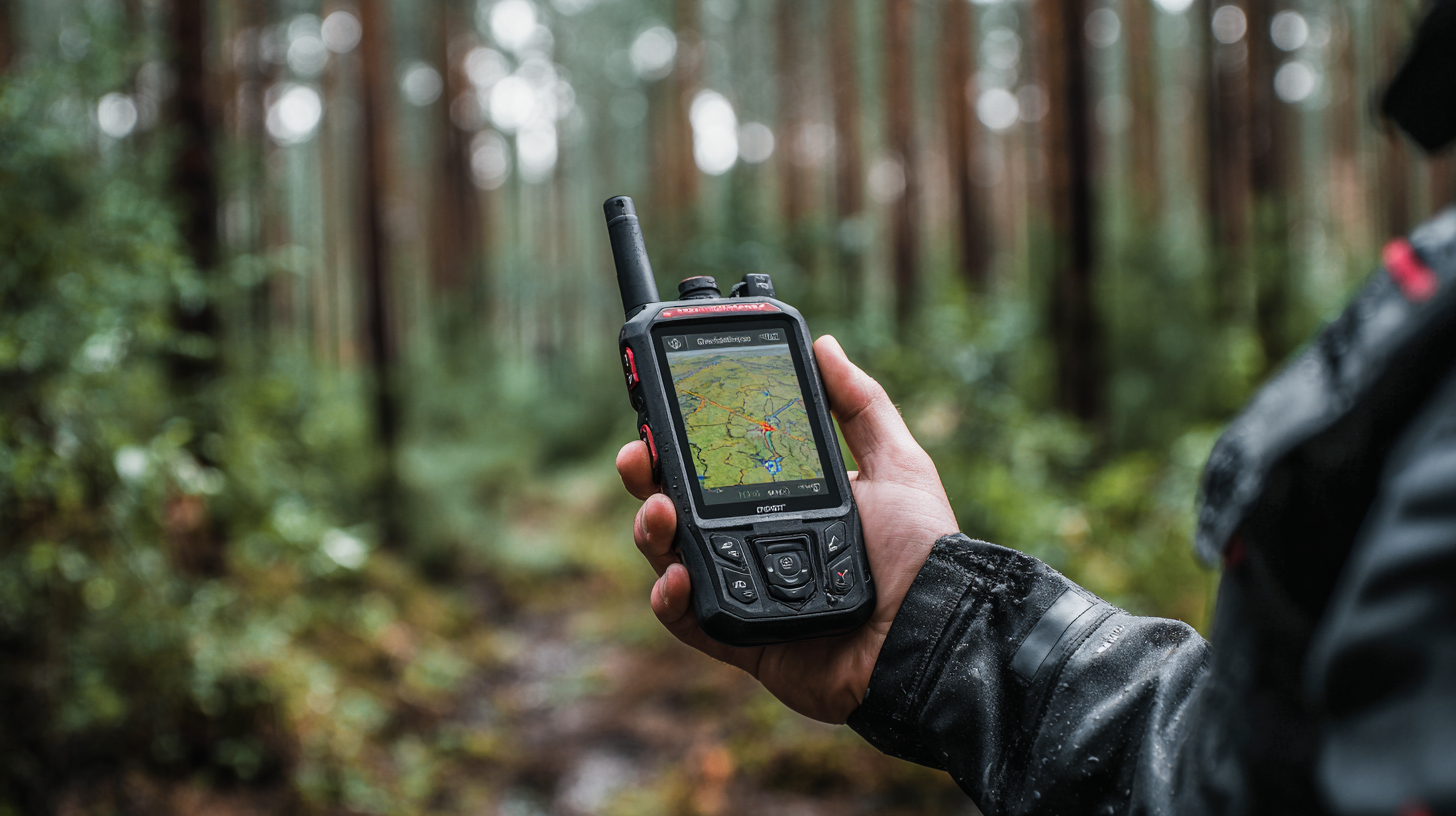
Applications of Polaris RTK GPS in Agriculture and Surveying
You know, the way farmers are using Polaris RTK GPS systems these days is totally changing the game when it comes to precision and efficiency in farming. Thanks to Real-Time Kinematics (RTK) technology, they can pinpoint their locations with incredible accuracy—up to 2.5 centimeters! That’s a big deal because it really boosts how effectively they can manage everything from planting and fertilizing to harvesting. So, they get to use their resources way more efficiently and actually see their crop yields soar. Some studies even show that farmers using this GPS tech can increase their yields by 10-20% and save on costs too! That’s some solid proof that updating farming methods really pays off.
But it’s not just agriculture that’s benefiting from RTK GPS. This tech is also super important in the world of surveying. With the power of decentralized RTK networks, surveyors can grab accurate positioning data even in tough spots, making high-precision mapping and land development projects way easier. The real-time corrections? Total game changer—especially in complex urban areas or out in the sticks where regular GPS just doesn’t cut it. This is a clear sign that the trend of using advanced positioning solutions is on the rise, and it’s really boosting productivity and sustainability across various fields. As this tech keeps evolving, it’s exciting to think about how much more it’ll impact both agriculture and surveying. So, staying up to date with the latest in RTK systems is definitely something professionals need to keep an eye on!
Applications of Polaris RTK GPS in Agriculture and Surveying
Comparative Analysis: Polaris RTK GPS vs. Other RTK Solutions
So, when you’re looking at Polaris RTK GPS compared to other RTK options out there, it really helps to dive into the different features and how they perform. A recent study from the National Center for Spatial Information highlighted that Polaris RTK systems hit accuracy levels within just 1-2 centimeters. That’s pretty impressive and definitely stacks up well against the big names in the market today. On the flip side, a lot of the traditional RTK systems can lag a bit, usually sitting around that 3-5 centimeter mark. And let me tell you, when you’re in fields like agriculture or construction, having that kind of precision can totally change the game for your projects.
Now, if you’re on the hunt for an RTK system, keep your specific needs in mind. If you’re into precision farming, for instance, going for a Polaris RTK GPS that meshes well with your current setup can really boost your productivity and help save some bucks, too. Oh, and don’t forget to check out the kind of support the manufacturer offers, like software updates. Regular updates can keep your system up to speed with the latest tech, which is super important.
Another thing to think about is how durable and easy these systems are to use. Polaris GPS units are built to handle tough environments, thanks to their rugged design, and a lot of them are rated IP67 for water and dust resistance. That’s definitely a win over some competitors that might not be as tough. Lastly, when you’re deciding on a system, look for ones with user-friendly interfaces. It’ll save you a ton of time on training and help you work more efficiently out in the field.
Exploring the Unique Features and Applications of Best Polaris RTK GPS: A Comprehensive How-To Guide - Comparative Analysis: Polaris RTK GPS vs. Other RTK Solutions
| Feature | Polaris RTK GPS | Competitor A | Competitor B |
| Accuracy | Within 2 cm | Within 3 cm | Within 5 cm |
| Operational Range | 15 km | 10 km | 8 km |
| Update Rate | 10 Hz | 5 Hz | 2 Hz |
| User Interface | Intuitive touchscreen | Button-based | Basic screen |
| Battery Life | 30 hours | 20 hours | 15 hours |
| Supported GNSS | GPS, GLONASS, Galileo, BeiDou | GPS, GLONASS | GPS only |
| Price Range | $5,000 - $7,000 | $4,000 - $6,000 | $3,500 - $4,500 |
Setting Up and Calibrating Your Polaris RTK GPS System
Getting your Polaris RTK GPS system set up and calibrated is super important if you want it to work at its best—especially if you're diving into the worlds of autonomous robotics or precision surveying. With everyone chasing more precise location data these days, really knowing how to navigate the calibration process is key. New tech advances are showing just how crucial it is to mix and match different sensors to boost navigation accuracy. For example, some detailed reports have found that using both absolute and relative positioning techniques can bump up the localization performance of autonomous systems by up to 30%! That’s a big deal for cutting down on delays in operations.
So, how do you kick off the calibration for your Polaris RTK GPS?First off, you need a solid base station to act as your reference point. It’s best to set this up in an open area where it has a clear view of the satellites. Then, you’ll want to tweak the Rtk Settings on your device according to what your project demands—don't forget to consider things like environmental factors and the types of surfaces you’re surveying.
There’s also been some exciting collaboration in the industry aimed at integrating cutting-edge GNSS tech to make this calibration process smoother. The ultimate goal? Enhance the efficiency of surveying, all while cutting down on errors caused by varying terrain.
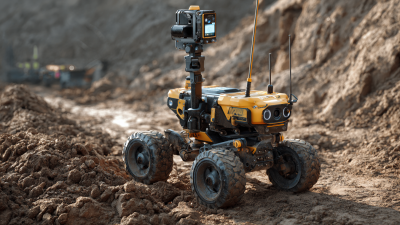
When you’ve got your Polaris RTK GPS system properly set up and calibrated, you can really tap into the potential of robotics for land surveying. This means you’ll see way more accuracy during the construction layout phase. In fact, data has shown that using robotic systems with top-notch positioning capabilities can slash survey times by nearly 40%. That’s a game changer for getting projects done quicker while still keeping everything up to quality standards. This blend of advanced positioning systems and robotics is truly a game-changing evolution in how we handle surveying tasks.
Troubleshooting Common Issues with Polaris RTK GPS Devices
If you're using Polaris RTK GPS devices, you might run into a few common hiccups that could slow down your surveying game. For instance, loss of satellite signal is a pretty typical issue. This can happen if you've got tall buildings or thick trees blocking your view. So, a good way to fix this is to set up your gear in an open spot where you can see the sky clearly. And hey, it’s a smart move to regularly check your device’s firmware to keep those connectivity problems at bay.
Another thing many folks worry about is getting inaccurate positioning data. This could be due to all sorts of reasons—from settings that aren’t quite right to environmental quirks. Make sure your base station is sitting in the right spot and that it's getting the correction data it needs. A little tip: do a quick system check before diving into your project. This means double-checking that all your cables are nice and tight, your batteries are good to go, and your device is running the latest software.
Here at Shanghai Apekstool (APEKS), we totally get how tricky geospatial surveying can be. Our know-how in GNSS/GPS systems means you’ll have not just top-notch equipment but also the support you need to sort out any issues quickly, so you can get the most out of your work.
Unlocking Precision: Explore the AP10 GNSS Receiver for Enhanced Surveying and Mapping Efficiency
Unlocking Precision: Explore the AP10 Gnss Receiver for Enhanced Surveying and Mapping Efficiency
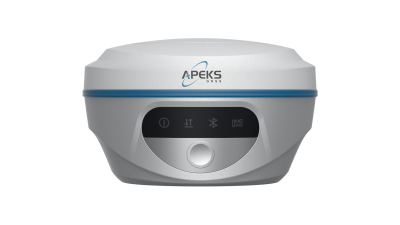
In the world of surveying and mapping, precision and productivity are paramount. The AP10 GNSS receiver stands out as a powerful, cost-effective solution that meets these demands head-on. Designed for various applications such as surveying, stakeout, and construction, the AP10 ensures reliable performance in any topographic environment. Its advanced RTK (Real-Time Kinematic) capabilities enable surveyors to achieve high accuracy levels, allowing them to execute their tasks with confidence and efficiency.
What sets the AP10 apart is not only its robust performance but also its ease of use. The receiver's user-friendly interface simplifies the process of data collection in mapping and construction sites. By integrating innovative technology with a compact design, the AP10 GNSS receiver empowers professionals to enhance their productivity and streamline workflows. Whether in challenging terrains or expansive open areas, its versatility ensures that you can adapt to various surveying needs without compromising on quality.
FAQS
: Polaris RTK GPS systems are designed to provide centimeter-level accuracy in navigation and positioning, which is crucial for industries such as agriculture and construction.
They use Real-Time Kinematic (RTK) technology that involves a base station transmitting correction signals to rover units, reducing errors caused by atmospheric conditions and satellite positions.
They are adaptable for various applications, including mapping agricultural fields, guiding autonomous vehicles, and enhancing surveying processes, while improving accuracy and efficiency.
Polaris RTK systems provide accuracy levels within 1-2 centimeters, which is significantly better than many traditional RTK solutions that only achieve 3-5 centimeters.
Consider the specific application needs, compatibility with existing hardware, and the manufacturer's support and software updates to enhance productivity and reduce operational costs.
Yes, Polaris GPS units are designed with a rugged exterior rated IP67 for water and dust resistance, making them suitable for challenging environmental conditions.
Users may experience loss of satellite signal due to obstructions and inaccurate positioning data from improperly calibrated settings or environmental factors.
Users should ensure their equipment is set up in an open area with a clear view of the sky and regularly check the device's firmware to address connectivity issues.
Conduct a system check that includes verifying the proper positioning of the base station, ensuring all cables are securely connected, batteries are charged, and that the device uses the latest software.
APEKS provides expertise in GNSS/GPS systems, ensuring users have the best equipment and the necessary support to troubleshoot and resolve issues efficiently.